


Yerba Mate
Ilex paraguariensis
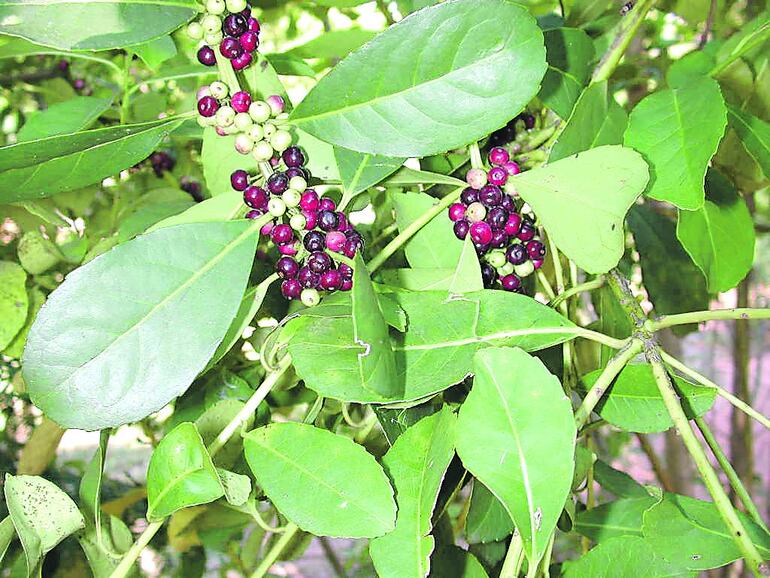
South America, Argentina, Paraguay, Brazil, Uruguay
Traditional Uses
Traditionally used as a stimulant and tonic to increaase energy, alertness and endurance; consumed to reduce fatigue and mental exhaustion; used as digestive aid for indigestion and as a diuretic (promote urination); folk medicine suggests it was used for weight management, circulation and general wellness; historically also used for headache relief
Modern Research Uses
In modern day, it is widely consumed as a functional beverage for mental alertness and improved concentration, physical performance enhancement and energy support; it has been studied for metabolic health, antioxidant activity, cardiovascular support and anti-inflammatory
Mechanism of Action
It has 3 main active compounds: xanthines (caffeine, theobromine, theophylline), polyphenols (such as chlorogenic acid) and saponins. the xanthine trio, mainly caffeine, blocks adenosine receptors (primarily A1 & A2A) in the brain, preventing the onset of drowsiness and promoting alertness; in vitro studies link its antioxidant activity to the polyphenol that scavenge free radicals and inhibits inflammatory pathways like the NF-κB pathway.
Body Systems Affected
Prep & Administration
Toxicity Notes
Nervous, Cardiovascular, Endocrine, Digestive, Musculoskeletal, Immune
Capsule, Powdered form, Tea
Low
High intake of caffeine-containing preparations may casuse excessive stimulation; individuals sensitive to caffeine or taking stimulant medications should use caution